Smart speakers started as music players with a side of trivia. Now they sit at the center of homes and offices, routing commands to locks, lights, cameras, and sensors. The shift happened quietly, one skill at a time, but the result is significant: voice assistants have become the default security consoles, always on, always nearby, and no longer limited to novelty tasks. That convenience carries risk, and the difference between a helpful hub and a liability comes down to design choices, integrations, and discipline.
I have deployed and maintained security systems in homes, retail stores, and light industrial spaces for a decade. The pattern repeats. People add cameras, then a smart lock, then a small flood of gadgets. Somewhere around the fifth device, the control story falls apart unless there is a clear center. Voice assistants often take that role because they handle routine actions quickly and they tie disparate devices into a usable stack.
This article walks the practical middle ground, where voice interfaces can strengthen security without opening new holes. It covers integrating CCTV with Alexa or Google Home, building smart security ecosystems with smart lighting and security, applying automation in surveillance and IoT sensors for security systems, and using cloud control for cameras with a sober eye on privacy. I will also show how automation for small business security differs from home use, where voice-activated security helps and where it should not be allowed, and how home automation trends point to a blended future of voice, edge compute, and context-aware routines.
Why the center belongs in your living room, not your phone
Phones make poor hubs for shared spaces. One person leaves, one person runs out of battery, and the family or team has no easy control. A wall panel solves this in theory, but most people will not walk across the room to punch in a code for a simple check. A voice assistant sits in the kitchen or near the entrance, hears a short command, and executes. The end state is not just convenience. It is lower friction to arm the system, faster incident response, and more uniform usage across all occupants.
Consider a basic scenario: a delivery arrives, the dog barks, and you want to check the driveway and unlock the side gate briefly. With a voice hub, the command flows naturally. You can say, “Show driveway on Kitchen Display,” then, “Unlock side gate for 30 seconds.” That interaction takes five to ten seconds. A phone would need authentication, an app switch, and screen taps. Multiply that difference across a week and you see why arming and disarming rates improve when voice is present.
Of course, voice should not be the only control path. You still want tamper-resistant modes, PIN-based disambiguation for critical actions, and a fallback app with full detail. Think of voice as the high-speed lane for common actions. Not the master key for everything.
Integrating CCTV with Alexa or Google Home, without shortchanging security
Camera integration is the first request I hear when people connect a voice assistant to a security stack. The state of play is better than it was three years ago, but it still takes planning.
The major smart displays stream compatible cameras natively. Many popular IP cameras and doorbells provide skills or actions for Alexa and Google Home. The connections go through the vendor’s cloud in most cases, then down to the device, which introduces delay. On typical broadband, I see a three to eight second latency between command and video. That is fine for checking who is at the door, but it matters if you are tracking movement across zones in near real time.
If you plan to rely on voice to route live video during incidents, favor cameras and NVRs that support local streaming to smart displays. Some vendors provide a local webRTC or RTSP bridge that the assistant’s display can access. The setup takes more effort, usually with a companion hub or bridge device on the same network, but the delay drops to one to two seconds, and playback is more reliable if the ISP blips. When local integration is not available, reduce hops by placing your cameras and router on a UPS and making sure the assistant has a stable Wi‑Fi connection on 5 GHz, not congested 2.4 GHz.
There is also the question of scope. I recommend that voice hubs show public or semi-public views, such as driveway, entry, and garage, while private areas like bedrooms remain accessible only through authenticated apps. This is more than preference. Smart displays tend to sit in common areas. Anyone present can see whatever feed you request. Limit exposure simply by limiting which cameras are exposed to voice.
Smart lighting and security work better together than alone
Lighting is one of the best ways to add protection without adding friction. Cameras and alarms tell you what happened or that something is happening. Lights change what happens next. If you tie motion zones and schedule windows to exterior floods, you can push opportunistic intruders off your property before they reach a door. Indoors, lighting scenes help you move safely during a check and signal that someone is awake.
Voice control shines here because it is quick and context-rich. You can call up scenes that match the scenario: perimeter on, interior dim. Smart assistants can also run time-aware routines that shift behavior across the day, for example daylight-hours notifications rather than sirens or strobes.
On the technical side, look for fixtures and switches that support local control through Matter or Zigbee with a robust hub. Cloud-dependence for lights is less ideal, especially when the goal is to create reliable security layers. If your internet connection drops while you are away, you still want motion-linked lights to fire. It is fine to let the assistant trigger scenes through the cloud, but keep the on-site logic intact.
Automation in surveillance: where to draw the line
Automation lives on a spectrum. On the low end, voice-triggered routines extend common actions like arming, disarming, or starting a patrol. On the high end, continuous video analytics generate events that cascade into lights, announcements, and alerts. Both ends have value, and both can cause trouble when they are too sensitive or unclear.
The good uses of automation in surveillance share traits. They reduce noise, they elevate hard-to-catch events, and they make the next step obvious. Person detection at night on a driveway is a perfect example. You can set a camera to detect a person after midnight within a defined zone, then command the assistant to run a routine: turn on driveway floods to 80 percent, announce on the kitchen display, and cast the camera feed immediately. That set of actions gives the occupant situational awareness within a few seconds and often resolves the incident without further action.
Where automation needs restraint is inside private spaces and with actions that are difficult to reverse. Auto-unlocking doors is risky. Triggering sirens based on analytics is prone to false positives. Announcements to public smart displays can reveal patterns that you would rather keep private. The best approach is to run layered escalations. Start with silent logs and lights, add announcements and cast feeds with a time window or by voice confirmation, then reserve locks and sirens for manual commands or very strict conditions.
IoT sensors for security systems: small parts, big effects
Sensors do the quiet work. A good package blends door and window contacts, motion detectors with pet immunity, glass break microphones, water leak pucks, tilt sensors for garage doors, and a few environmental monitors for temperature and air quality. Voice assistants do not replace these, they orchestrate and report.
Place sensors with intent. In a single-family home, protect the boundary rather than every interior path. Exterior doors, first-floor windows in vulnerable positions, and garage doors matter more than the guest bath window that faces a courtyard. In small businesses, focus on areas that turn into losses quickly: back doors, stock rooms, cash handling zones, server closets.
Once the sensors are in place, use voice for status and quick actions. A spoken query can summarize the state of the system in one sentence: all doors closed, garage open, basement leak sensor normal. For the command path, keep irreversible actions behind a voice PIN. Arming to stay or away works well by voice. Bypassing a sensor should require confirmation with a code.
If you are building new, choose sensors that support a local protocol with battery lives measured in years, not months. Coin cells do fine if the radio is efficient. Check the hub’s behavior when batteries die. Some hubs fail silent, others spam alerts, and a few fall back to safe defaults. You want the last category.
Cloud control for cameras: the benefits and the blind spots
Most consumer and prosumer cameras use cloud control for streaming, notifications, and storage. The advantages are simple: you get remote access, offsite storage, filters for person or vehicle events, and an app that works without local VPN gymnastics. For many households and small businesses, that is good enough.
The blind spots appear in two areas. First, bandwidth and latency. Upload speeds on typical cable or DSL connections range from 5 to 35 Mbps. A handful of 1080p cameras can saturate that if you try to stream live or send continuous archives, especially if your cameras default to high bitrates. Second, privacy and retention. Your footage lives on someone else’s infrastructure. You need clear settings for retention length, access controls, and how the vendor treats your video for training or support.
A balanced approach is common. Keep important cameras on local storage with an NVR or a NAS, then send event clips to the cloud for redundancy. Adjust bitrates to match your upstream capacity. Set a short retention window in the cloud, for example seven to 14 days, and a longer local archive with cyclic overwrite. If your assistant and cameras share a vendor, you will likely get smoother casting and better motion-to-clip transitions. If they do not, use the assistant to route common tasks and rely on the camera app for deep review.
Voice-activated security: speed with safeguards
Voice is fast, and speed is its primary value in security. The hazard is obvious: if anyone can speak and the assistant obeys, you have handed control to the room. Modern assistants provide three guardrails that you should turn on by default.
First, voice profiles. When enabled, the assistant recognizes registered speakers and grants different permissions accordingly. You can let guests turn on lights and view public cameras, while only household members can unlock doors or disarm alarms. Second, confirmation codes. For high-risk actions, require a spoken PIN. Keep it short and change it periodically. Third, contextual restriction. Limit sensitive commands to certain devices or rooms. For instance, allow security routines only from the kitchen hub, not from a bedroom display near a window.
The right phrasing also matters. Ambiguous commands lead to mistakes. Prefer verbs like “arm stay,” “arm away,” “lock,” “unlock,” “show,” “hide,” and “cast.” Avoid mixed routines with too many actions until you trust the flow. I have seen people bundle “goodnight” with turning off all lights, arming the system, and lowering shades, then realize a dog is still outside and the patio door is now locked. Break complicated chains into safe pieces with a short pause between them.
Smart locks with cameras: one device, two jobs
Lock plus camera combos reduce parts and make sense for doors that see frequent visitors, such as front entries and short-term rentals. The integrated view lets you verify identity and control access in one place. The tradeoffs are thermal stress and failure modes. If the camera or lock fails, you lose more than you would with separate devices.
When combining pieces, ask a few questions. Does the lock support local codes and schedules without the cloud? Does the camera record to local storage or only the vendor cloud? Can you separate permissions for viewing and unlocking? Can you add a doorbell chime or do you rely on announcements from the assistant?
For voice control, restrict unlocking to recognized users with a spoken PIN, and avoid voice-unlocking from displays that face outside windows. If your home sits on a busy street and you regularly get deliveries, set up temporary codes tied to dates and times. The assistant can announce when a code is used and pull up the feed automatically. In short-term rentals, rotate codes between stays, and integrate cleaning staff access with time windows. It is less glamorous than face recognition, but it fails less often and holds up in court when you need logs.
Automation for small business security: discipline over dazzle
Small businesses benefit from voice control, but the stakes differ. The typical scenario includes a mixed staff, varied shift patterns, and a few critical zones where loss accumulates fast. Here, automation needs discipline. Voice should handle shared tasks, not sensitive ones.
I like to put a smart display at the back door and another near the main entrance. Staff can check cameras, confirm that the alarm is set before leaving, and call up lighting scenes during open and close. The manager profile can run additional routines like unlocking the stockroom for deliveries. Everything else remains in the alarm panel’s domain with traditional codes and badges. You do not want to tie incident-critical commands to a device that can be tricked by a recorded voice or a clever teenager.
On the camera side, events matter more than livestreams. Use person and vehicle filters to reduce noise. Tie after-hours motion in defined zones to messages that go to managers, not the entire staff. If bandwidth is limited, schedule high-resolution uploads after close or send only event clips to the cloud. Keep a local recorder for full coverage, especially in areas like point-of-sale where details matter.
Payment counters and customer areas benefit from smart lighting and security more than people expect. Well-placed, voice-controlled scenes reduce dark corners and help staff pay attention to who is in the store. A simple call like “front bright” during rush periods and “front calm” when traffic slows can smooth transitions and deter mischief.
Building smart security ecosystems that do not collapse under their own weight
The phrase “smart security ecosystems” sounds grand, but the best ones feel boring in everyday use. They do a few things very well, they rarely crash, and they keep privacy predictable. Voice assistants bring coherence by giving you a single language for routine actions, not by becoming the source of truth.
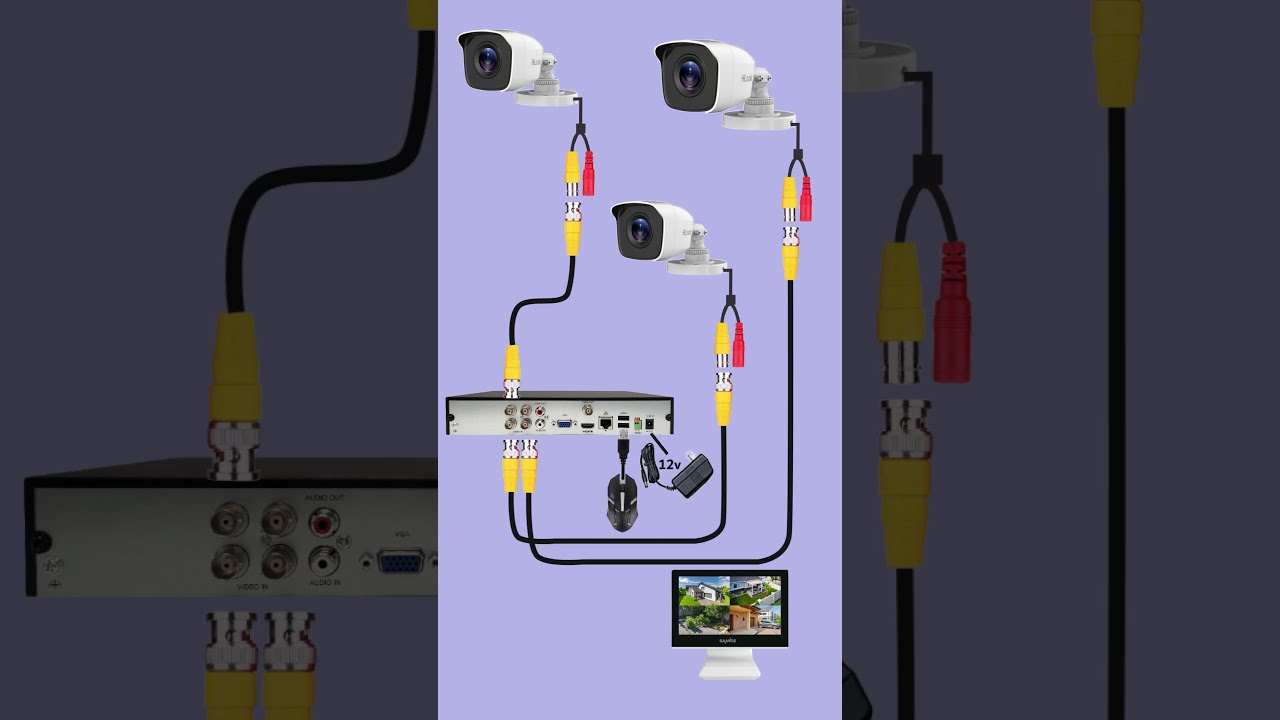
Think in layers. The base layer includes locks, sensors, and cameras that work locally and keep recording even if the internet goes down. The middle layer includes the voice assistant and hub integrations that tie the parts together. The top layer includes cloud services for remote access, storage, and advanced analytics. Each layer should provide value on its own, and no single failure should break the entire system.
Device choice impacts this more than branding. Pick lights, locks, and sensors with stable protocols. Favor vendors that document integrations clearly and support Matter or other well-used frameworks. Where possible, use wired power for fixed cameras and access points. Place your router, PoE switch, and any bridges on a small UPS that can run for an hour or more. A short power event should not wipe out your visibility.
Privacy, compliance, and the parts people forget
Security systems collect a lot of data, and voice assistants add another dimension. Microphone-enabled devices in shared spaces require consent and clear policies, especially in workplaces and rental properties. Laws vary by jurisdiction, but common sense goes a long way. Post signage where cameras record. Do not place smart speakers in restrooms or private offices. Keep voice history retention short or turn it off. Review access logs regularly.

Cloud control for cameras raises retention questions. Many vendors default to 30 days. That may be too long for a home and too short for a business with investigation cycles that stretch past a month. Set retention to match your real use. The best time to decide is before an incident, not after.
Data portability is another quiet requirement. If you change vendors, can you export clips or logs in a usable format? Can you wipe old data with a verifiable method? If the answer is no, you should weigh the lock-in against the convenience. It is harder to move later than it looks.
Home automation trends that will shape the next few years
Two trends stand out that directly affect voice-activated security. First, more local intelligence. Cameras and hubs are getting better at recognizing people, pets, and vehicles at the edge. That reduces cloud reliance and speeds up reactions. The rise of local standards like Matter helps, though real-world support is uneven so far. As this stabilizes, voice assistants will route more commands to local services, cutting latency and improving reliability during outages.
Second, better context. Assistants now combine routines with presence detection from phones, Wi‑Fi, and sensors. The system can tell when everyone has left or when someone returns, and adjust security postures accordingly. This is useful, but it requires guardrails. Presence detection fails sometimes, phones die, and guests complicate patterns. Use context to suggest actions, not to make irreversible decisions automatically. A helpful behavior is for the assistant to prompt, “It looks like everyone left. Do you want to arm away?” rather than arming without asking.
A third, slower trend is unified dashboards that feel human. People do not think in device lists. They think in tasks and rooms. The best setups today let you say, “Secure the house,” and expect the assistant to lock doors, arm sensors, close the garage, and set lights to a deterrence pattern. That requires naming discipline, consistent room assignments, and routines built with real behavior in mind. The technology is there, but the craft lies with the installer or owner.
A practical recipe that holds up
The right stack depends on your property, but the following pattern has worked for many of my clients:
- Use a voice assistant with displays in two key locations, such as the kitchen and entry, and enable voice profiles along with a PIN for sensitive actions. Choose door and window sensors, motion detectors, and water leak sensors that speak a local protocol through a reliable hub, then expose status and basic control to the assistant. Pick a mix of wired and high-battery-life cameras, keep local recording on an NVR or NAS, and send event clips to the cloud for redundancy. Map public cameras to the assistant and keep private ones app-only. Tie exterior motion to smart lighting with local rules, and build a few voice scenes for quick changes, such as perimeter strong, interior dim, and all-on. For small businesses, separate staff and manager roles in the assistant, lock down sensitive actions to the alarm panel, and keep incident-critical routines simple and well rehearsed.
This is not the only way to build a smart security ecosystem, but it balances convenience and control. It reduces single points of failure and keeps voice in the role it plays best: frictionless command for common tasks.
What can go wrong, and how to live through it
I have seen three failure modes recur. The first is update drift. A vendor updates a device, the integration breaks, and routines fail quietly. The remedy is dull but effective. Check automations quarterly. Keep a small change log when you add or remove devices. If a routine is mission-critical, create a parallel manual path.
The second is over-automation. Someone builds a Rube Goldberg routine that surprises the family or staff. Doors lock at the wrong time, lights flare at 3 a.m., and morale drops. The fix is to build in stages. Test with logs and lights before adding locks and alerts. Solicit feedback from the people who live with the system.
The third is voice ambiguity. Similar device names, unclear room assignments, or poor phrasing cause the assistant to act on the wrong target. Name devices with purpose: front door lock, patio lock, garage camera, driveway floods. Avoid duplicate names across rooms. Teach a couple of standard phrases and stick with them.
The quiet payoff
Security done well is not loud. It is the ease of checking a feed while stirring a pot, the habit of arming the system because https://gregorypqzv821.wpsuo.com/from-passwords-to-passkeys-online-privacy-tips-for-a-safer-login-experience it takes two seconds, the porch that lights up when a stranger approaches, the manager who can verify the back door before leaving. Voice assistants fit here because they erase small frictions. They make the good behavior more likely.
The promise is not that you will talk to your house constantly. It is that, when it matters, a short sentence can bring cameras, lights, and sensors to heel, and you can stay focused on judgment rather than buttons. As home automation trends mature and smart security ecosystems improve, the blend of local control, cloud convenience, and voice-activated security will keep moving toward that quiet, dependable center.
The work remains to choose gear that respects privacy, set clear boundaries for what voice can do, and keep the system legible to everyone who uses it. Do that, and your assistant becomes a capable command and control point, not a gimmick. It will help you see, decide, and act, which is what security is about.